Let appreciation become specific. Accept a sincere compliment without immediately reducing it, notice a contribution that usually goes unmentioned, and make room for a pleasure that does not need to be earned by an achievement.
September 29: Give one unfinished task your full attention before adding another. In a difficult conversation, ask a clear question and leave room for the answer. Make one practical request instead of hoping someone will guess what you need. Tonight, notice a small thing you enjoyed without turning it into a goal. Take what fits your day and leave the rest.
Explore the value of observation and subtle adjustments in your daily routine. Consider testing a new way to handle a recurring chore or practicing a different approach to a common social interaction. If you find yourself overwhelmed by choices, try selecting just one small, tangible project to focus on for the afternoon.
Focus on the tangible mechanics of your day to find a steady rhythm. Try refining a specific tool you use, clarifying a single point in a conversation, or adjusting the lighting in your workspace. These small, observable actions help anchor your attention to the present moment.
Focus on the intersection of communication and environment. Try clarifying a single instruction in a written message, adjusting your physical workspace for better lighting, or choosing one specific task to finish before moving on. These small, observable actions help ground your attention and create a more deliberate pace for the day.
Focus on the subtle ways your personal environment and communication styles influence your daily pace. Consider refining a single piece of written work, adjusting the physical layout of your workspace, or verifying a specific detail in a shared plan. These grounded, optional actions help anchor your attention to the tangible world around you.
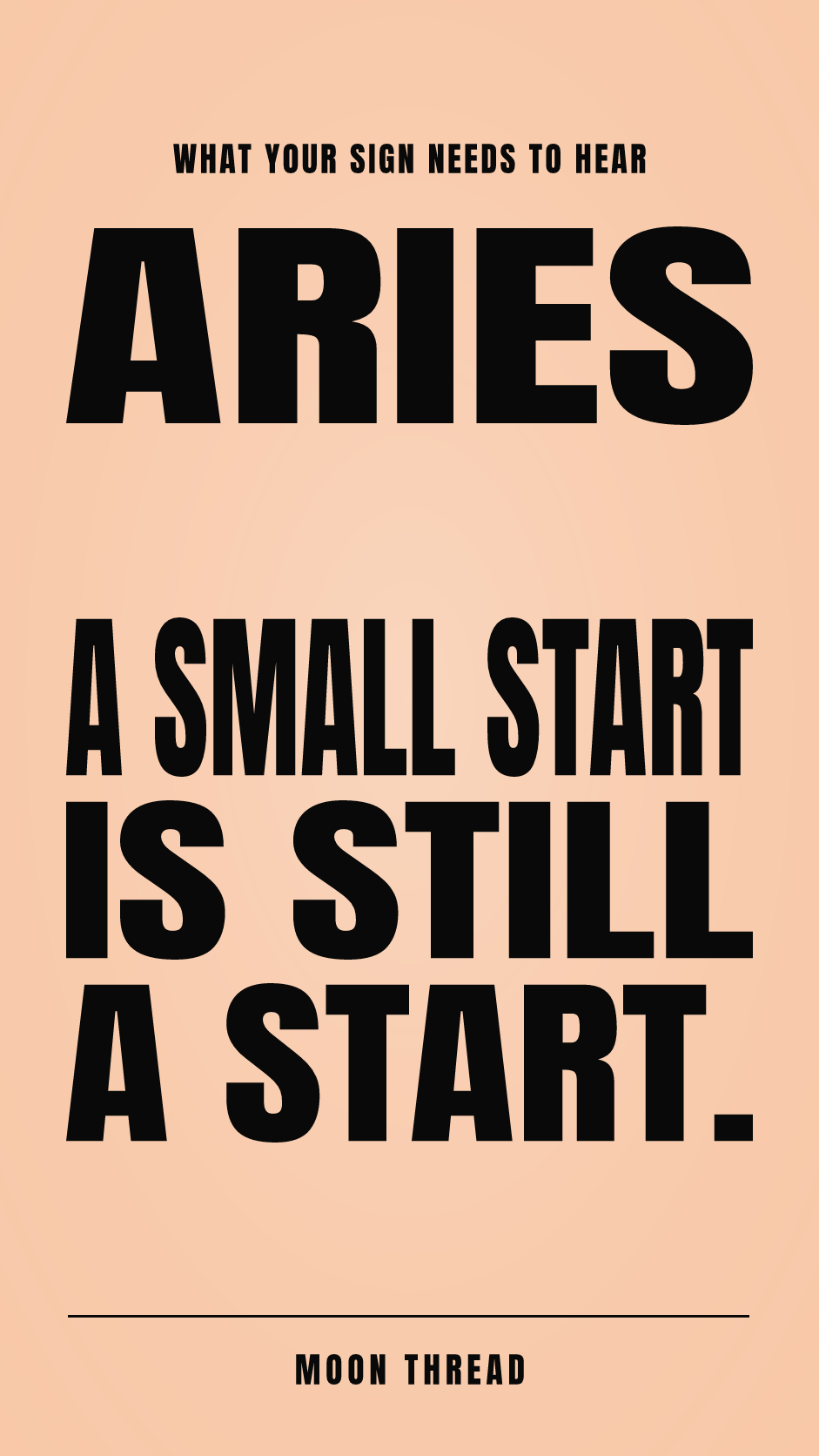
Courage can begin with choosing what deserves your energy. This Aries collection explores initiative, honest choices, and meaningful beginnings. Which step would still matter to you if nobody noticed you taking it?
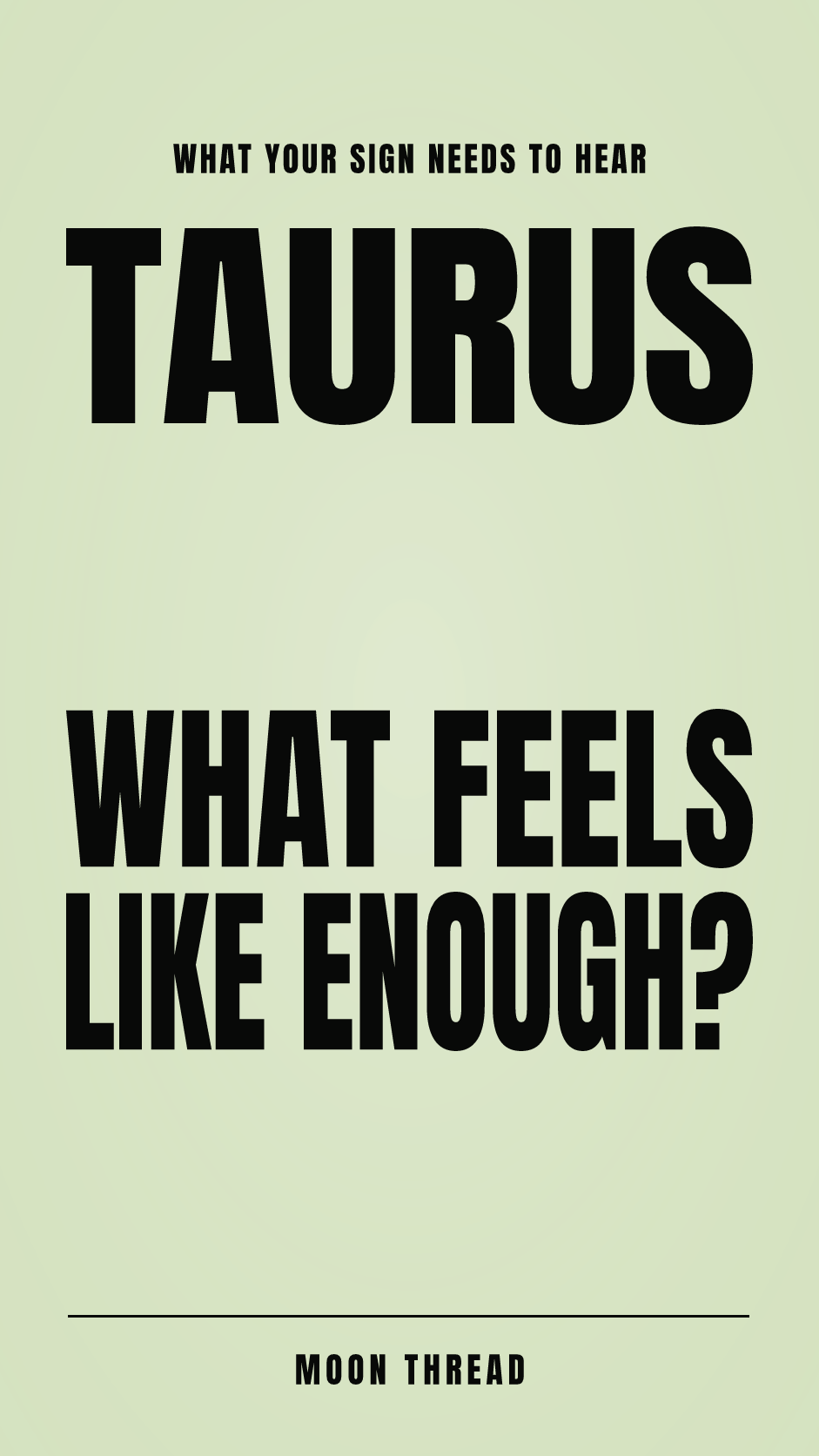
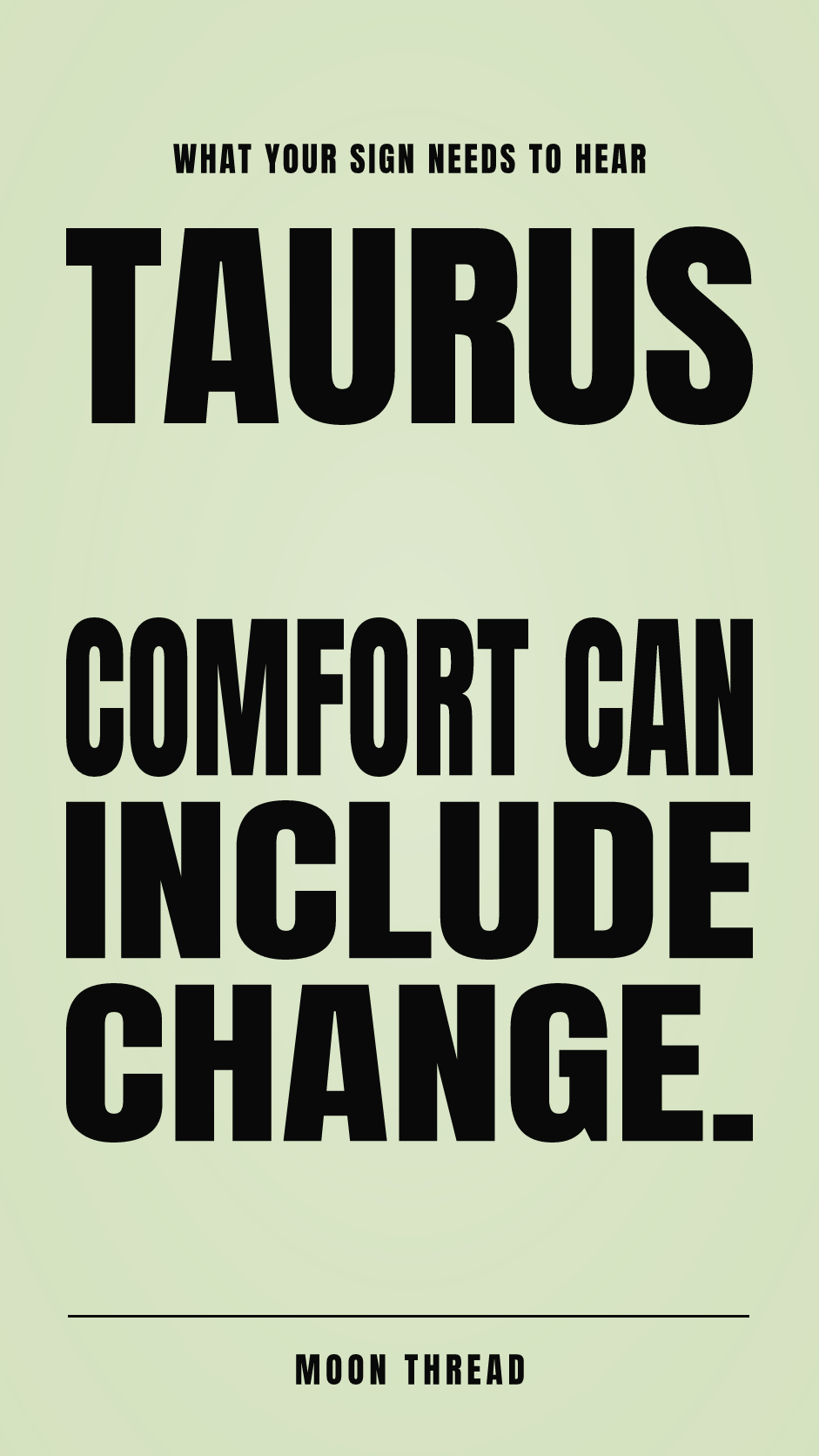
Enjoyment does not have to be impressive to be real. The Taurus collection makes space for personal taste, patient attention, and a useful sense of enough. When did you last let a pleasant experience end without trying to improve it?
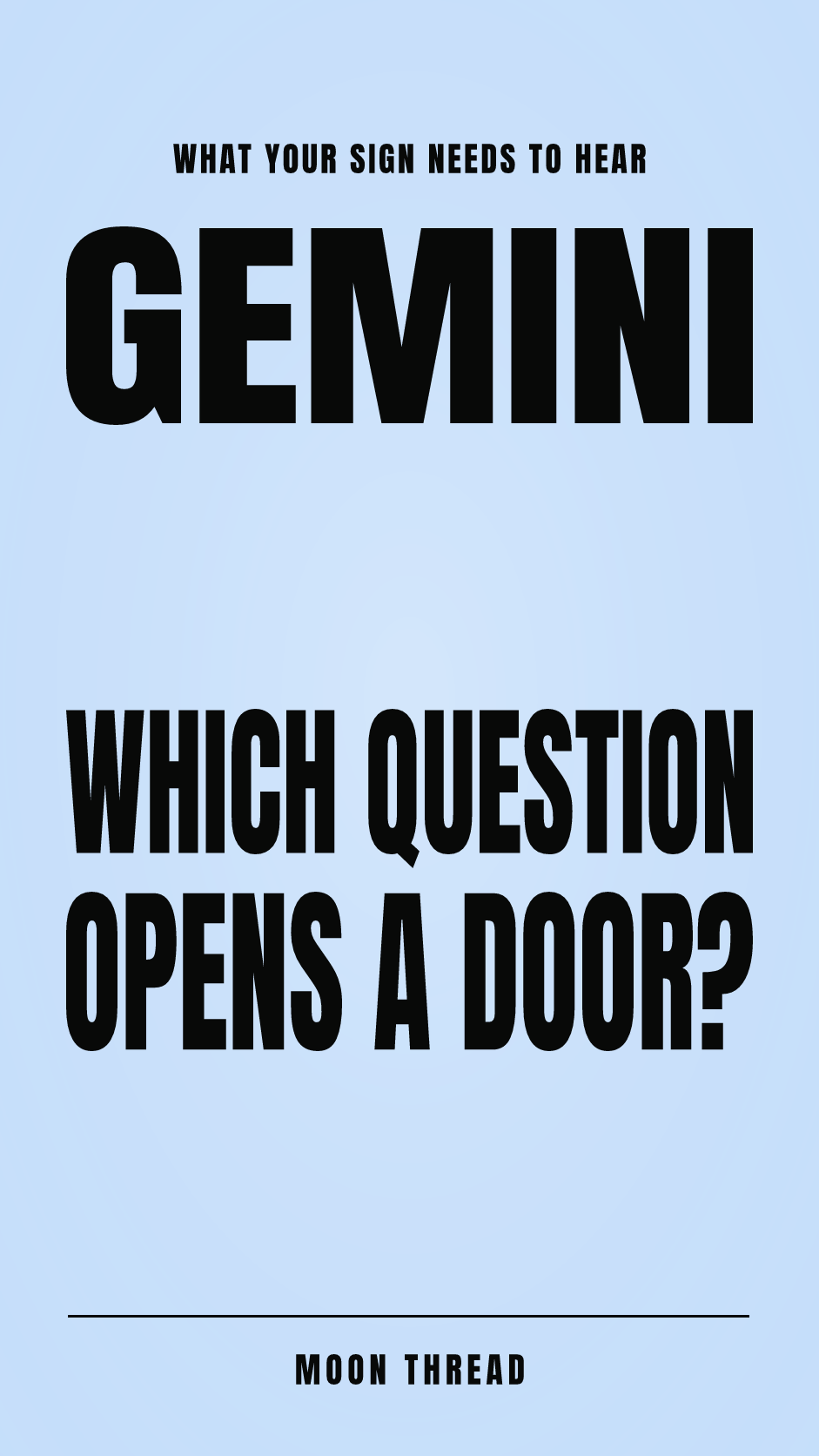
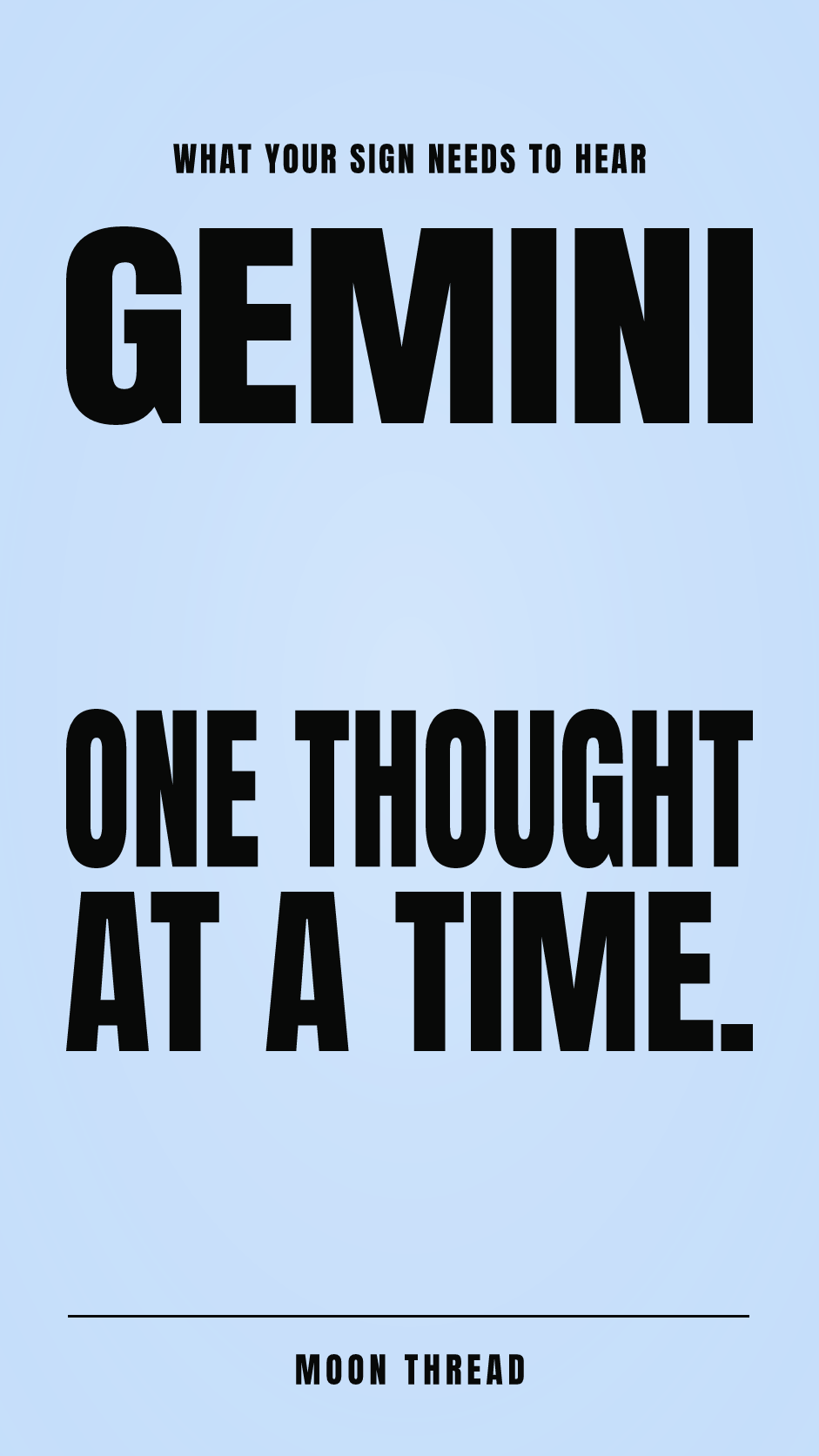
A useful question can make a familiar subject feel new. This Gemini collection explores language, curiosity, and room for more than one perspective. Which word in a recent conversation might have meant something different to each person?
Belonging can be found in small signs that you are included. The Cancer collection explores memory, welcome, and the places we call our own. What makes a gathering feel like somewhere you can participate, rather than somewhere you must earn a place?
Self-expression can be playful before it becomes polished. This Leo collection explores creative choices, generous attention, and the pleasure of making something your own. Where could a little more personality make an ordinary exchange more enjoyable?
A small detail can reveal how much thought went into something. The Virgo collection explores observation, craft, and useful understanding. What ordinary object would become more interesting if you noticed one decision behind the way it was made?
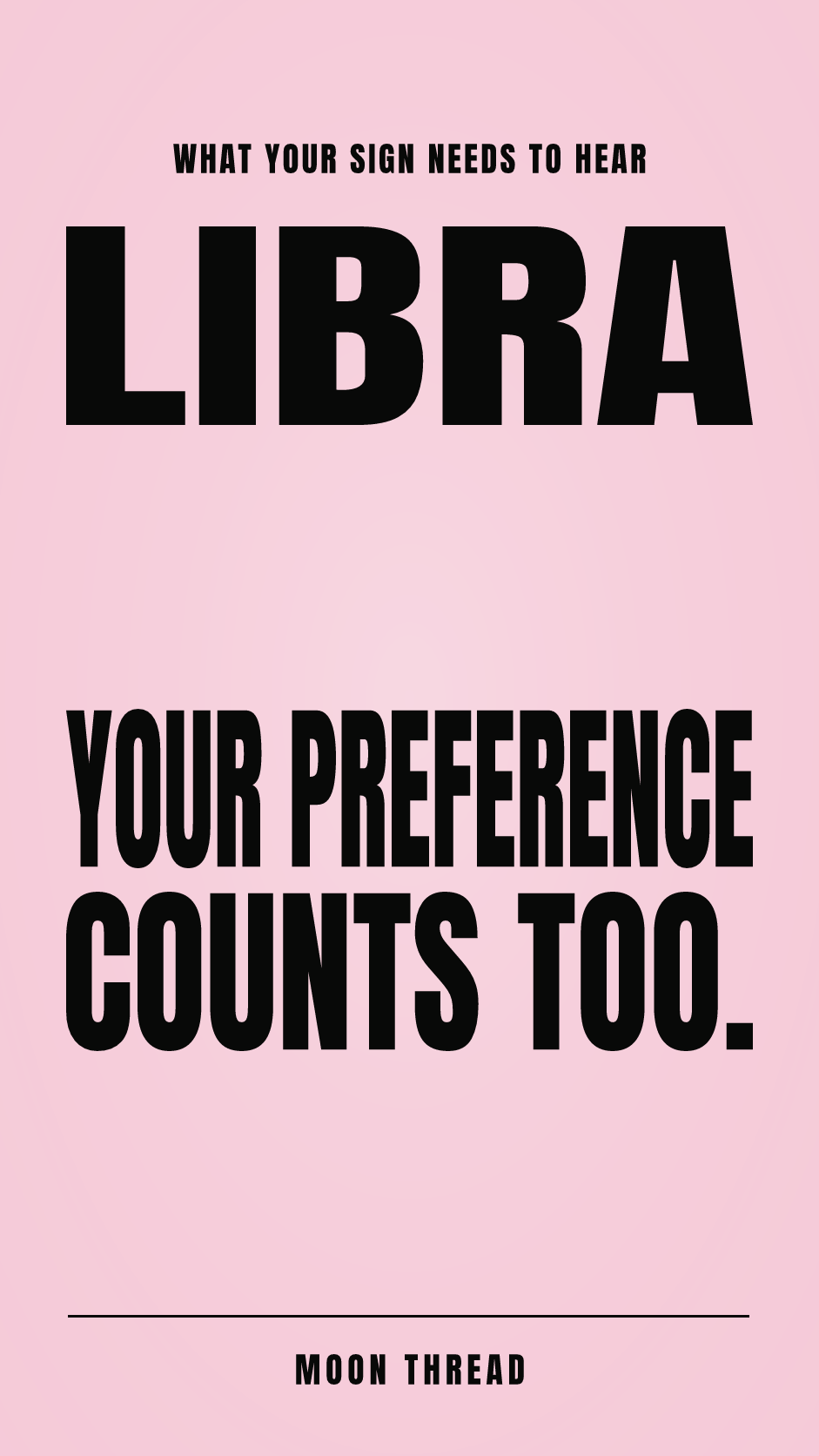
Fairness needs more than a quick agreement. This Libra collection explores perspective, considerate choices, and the terms of sharing a decision. Whose experience would help you understand an arrangement that looks balanced only from the outside?
An honest answer can be quieter than a dramatic revelation. The Scorpio collection explores depth, trust, and the difference between a useful question and a familiar loop. What are you trying to understand, and what answer would actually help?
Exploration can begin with noticing the limits of one account. This Sagittarius collection considers learning, perspective, and ideas that remain open to revision. Which familiar story becomes more interesting when you ask who else could tell it?
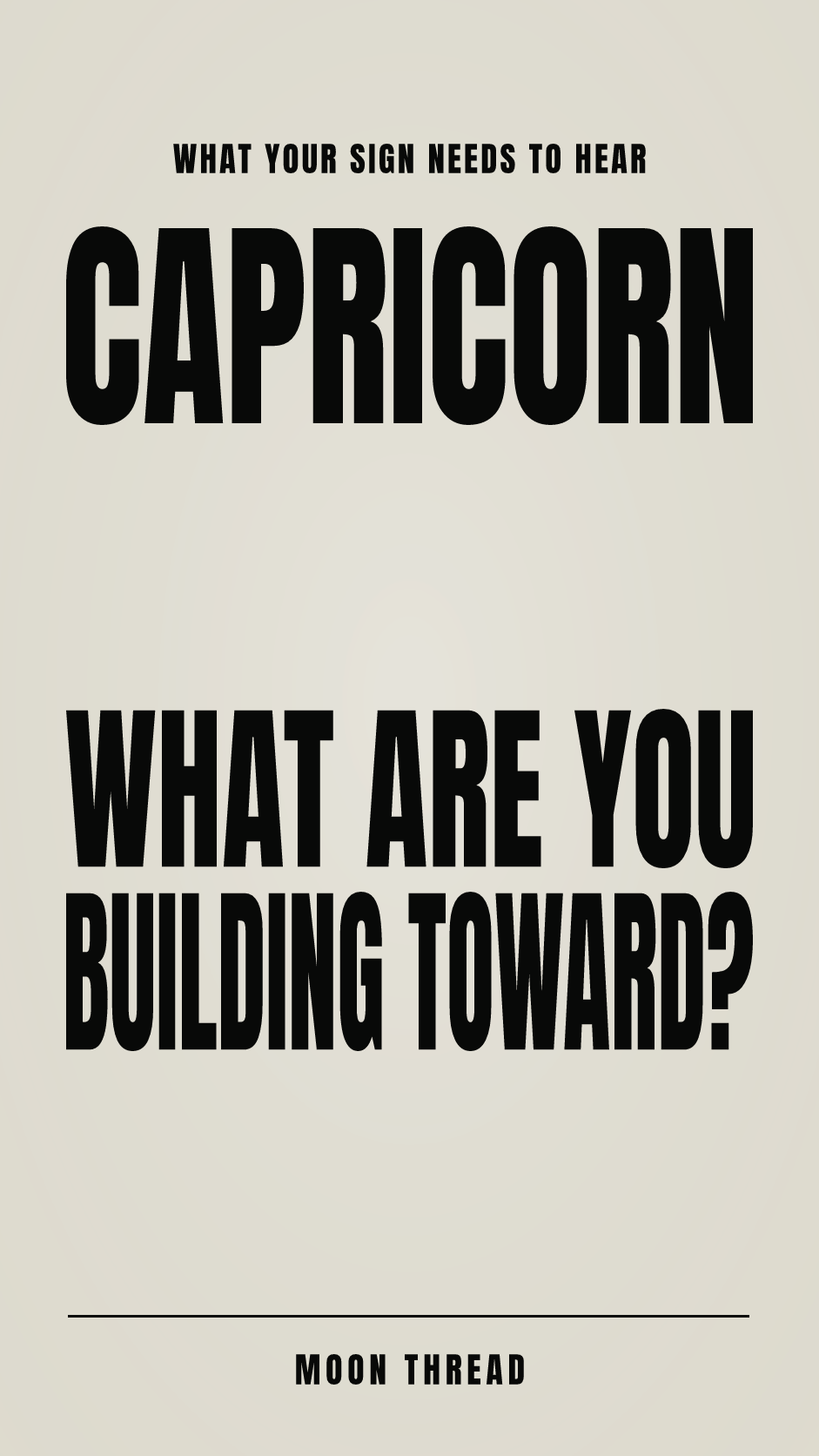
A lasting effort needs a reason you can recognize along the way. The Capricorn collection explores responsibility, meaningful progress, and commitments chosen with care. What would make a long project worthwhile even before its final result?
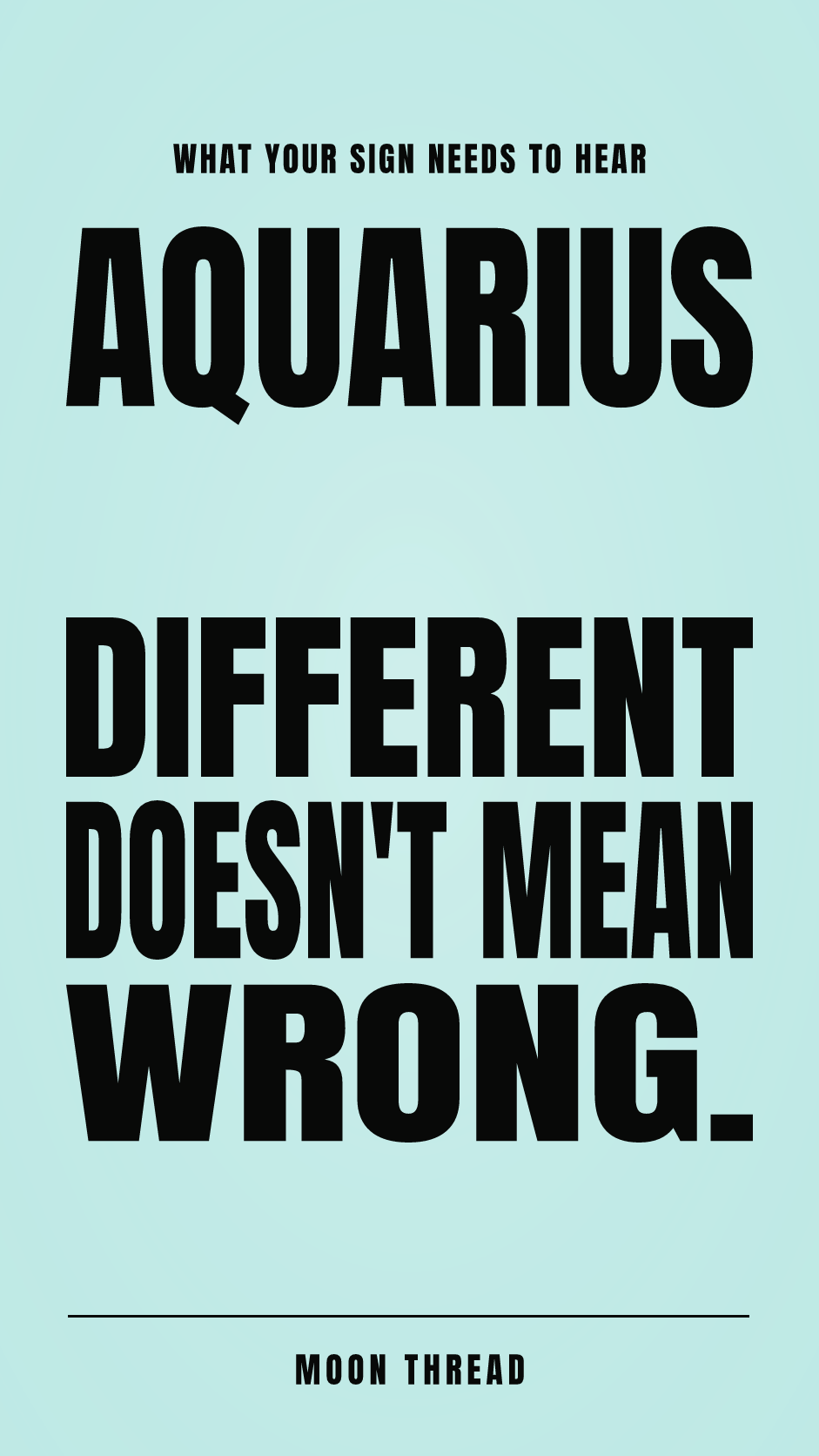
A shared space can work differently when someone notices who has been left out. This Aquarius collection explores participation, fresh questions, and practical imagination. Which unspoken rule would a newcomer need explained before they could join in?
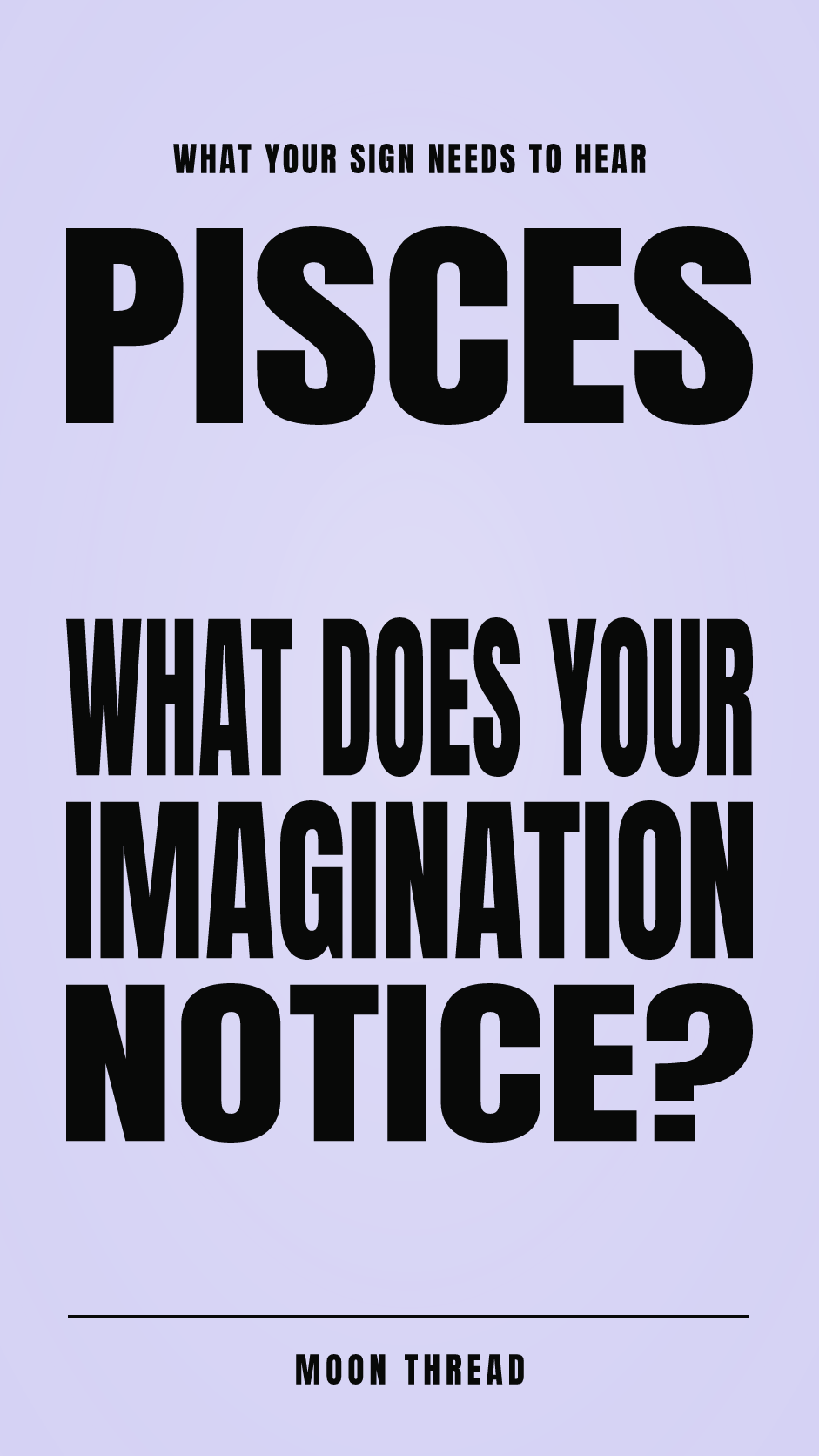
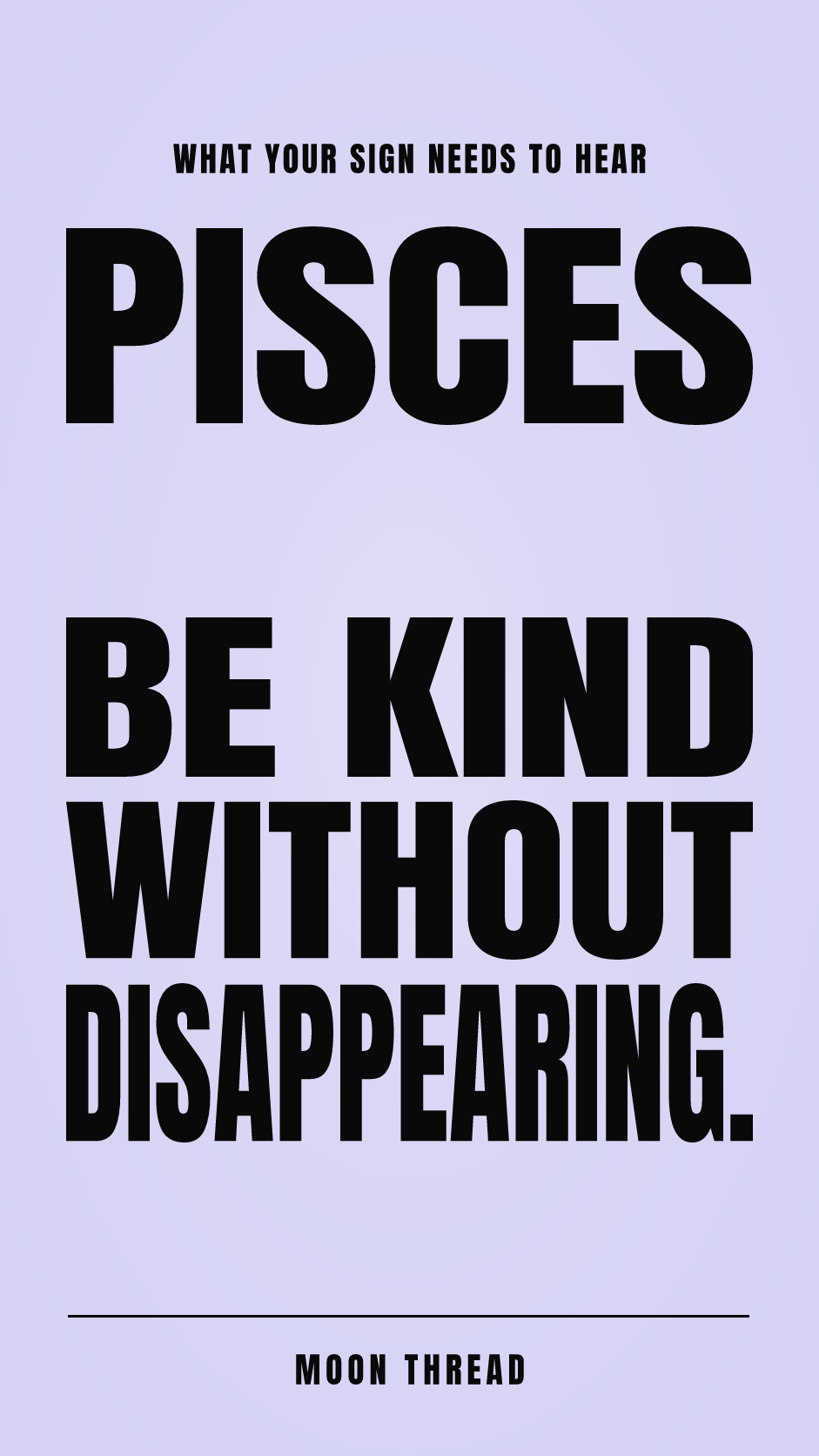
Imagination can offer several meanings without proving any of them. The Pisces collection explores art, sensitivity, and the space between an impression and a fact. What changes when you let two different readings of the same image sit side by side?
Let a beginning take the time it needs. Enter a conversation before deciding what to contribute, leave room to explore a creative idea, and choose a first step that feels honest rather than impressive.
You do not have to finish every thought before choosing one. Pick the idea that matters most today, give it a little room, and let the other possibilities wait without turning them into a deadline.
Make an invitation or commitment easier to answer honestly. Name what you can offer, separate private material from shared work, and allow another person's limits to be different from your own.
Before agreeing to another plan, check whether it actually works for you. A different preference does not have to become an argument. Say what you would enjoy, then make room for an honest conversation.
Choose words that match your actual intention. Make an invitation specific, distinguish a preference from a requirement, and describe a disappointment without assigning motives to the other person.
An idea can be unfamiliar without needing an apology. Explain the part you care about in clear words, invite one useful question, and let the conversation develop before deciding whether your approach belongs.
Return to an unfinished creative idea without demanding that it become a finished product today. Find the part that still interests you, try one meaningful change, and give yourself permission to retire an idea whose appeal has passed.
Care does not require you to become invisible. Notice what you have space to offer today, and be honest about the limit. A warm answer can include your own needs as well as someone else's.
When a plan changes, separate what mattered about it from the form it originally took. Confirm the new circumstances, offer a workable alternative where appropriate, and leave space to be disappointed without rushing into a replacement.
Give an unfinished idea one concrete beginning. Write the opening sentence, ask the first question, or arrange the first step. You do not need to perform confidence before doing something you care about.
Keep the part of a familiar routine that supports you, and question the part that no longer fits. You can make a small adjustment without throwing away everything that has helped you feel settled.
Give hope a practical task: return to one unfinished idea, choose a manageable first step, and notice what supports you. Read the full reflection for a simple way to begin again.
An unclear message can invite a convincing story. Separate what happened from what you inferred, then choose one calm question. Read the full reflection before filling in the gaps.
Notice a good moment without asking it to fix your whole day. Make room for an activity you enjoy and share it honestly. Read the full reflection for a small, specific practice.
Try a new activity without turning the first attempt into a verdict about your ability. Choose a small experiment and learn from it. Read the full reflection for a beginner-friendly start.
Before searching for another tool, notice the skills and materials you already have. Use them for one practical task. Read the full reflection to turn a vague intention into a first step.
Give an unsettled thought a quiet moment before making it public. Name your response, notice what remains unclear, and decide what to share. Read the full reflection for a gentle pause.
Care can take the form of an ordinary action: tending a space, offering specific help, or making room for a creative idea. Read the full reflection to choose something you can sustain.
A useful structure reduces repeated decisions. Choose one clear place, time, or responsibility, then see whether it helps. Read the full reflection to make a routine that serves your day.
Look at a familiar rule, learn what it was meant to protect, and decide whether it still fits your circumstances. Read the full reflection for a thoughtful way to question a habit.
Before agreeing to a plan, name what matters to you and listen to the other person's priorities. Read the full reflection for a clearer choice without making someone guess your preference.
When several tasks compete for attention, choose one useful destination and a next step you can finish. Read the full reflection to direct your effort without turning the day into a race.
A difficult reply can be clear without becoming sharp. Name the issue, state a practical limit, and choose a tone you can stand behind. Read the full reflection before sending your message.
Choose a quiet stretch of time and notice where your attention goes without constant input. Read the full reflection for a small pause that leaves room for your interests and your own pace.
A changed plan does not have to consume the rest of the day. Separate what you can influence from what you cannot, then revise one step. Read the full reflection for a practical reset.
Before calling an arrangement fair or unfair, examine what was agreed and what actually happened. Read the full reflection for a clear conversation about expectations, facts, and a useful next step.
If repeating the same approach has stopped helping, pause and ask a different question. Read the full reflection for a practical shift in perspective without waiting indefinitely or giving up your limits.
Consider an old routine or unfinished commitment that no longer fits. Decide what to keep, what to close, and how to mark the change. Read the full reflection for a modest, deliberate ending.
A workable rhythm includes the task and the space around it. Adjust one part of your routine and see what you can repeat. Read the full reflection for a realistic pace rather than a perfect balance.
Notice an everyday habit that has become automatic, then change one cue to make choosing easier. Read the full reflection for a practical pause without turning an ordinary pattern into a judgment about yourself.
When an ordinary plan breaks down, identify the immediate need and what remains usable. Read the full reflection to make a smaller workable plan without treating disruption as a sign of something worse.
Review a past choice with the information you had then, identify what you learned, and choose one change for next time. Read the full reflection to make hindsight useful without turning it into self-punishment.
Define what completion means for one small project, check the useful details, and recognize the work you did. Read the full reflection before adding another requirement to something that is already ready.